Best Sleep Sounds for Falling Asleep Faster
Tossing and turning night after night? You are not alone. The right sleep sounds can soften disruptive noise, give a busy mind something neutral to follow, and make the transition into rest feel less abrupt.
By Tahira Khan · Published June 18, 2026 · Updated June 30, 2026 · 8 min read
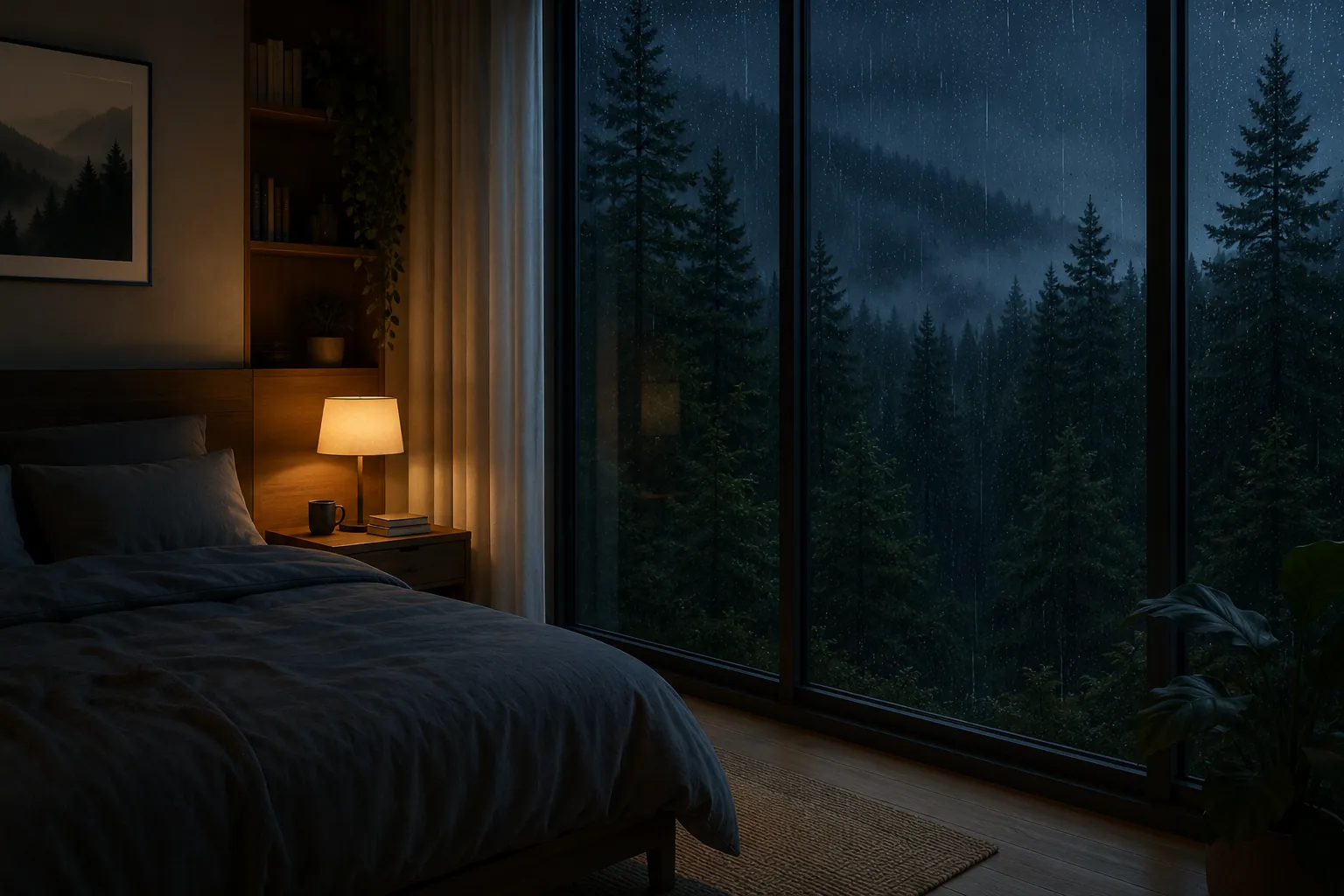
Why falling asleep can feel difficult
Life is loud today, and not only in a physical sense. By the time we go to bed, we have consumed information, managed stress, scrolled, and often run on caffeine. When the room finally becomes quiet, tomorrow’s to-do list and unfinished worries can suddenly feel much louder.
Sleep environments are rarely as quiet as we would like. Street traffic, neighbors, a snoring partner, or the hum of appliances can interrupt the transition from wakefulness to sleep. Persistent sleep difficulties deserve guidance from a qualified health professional; sound is a comfort tool, not a treatment.
How sleep sounds can help
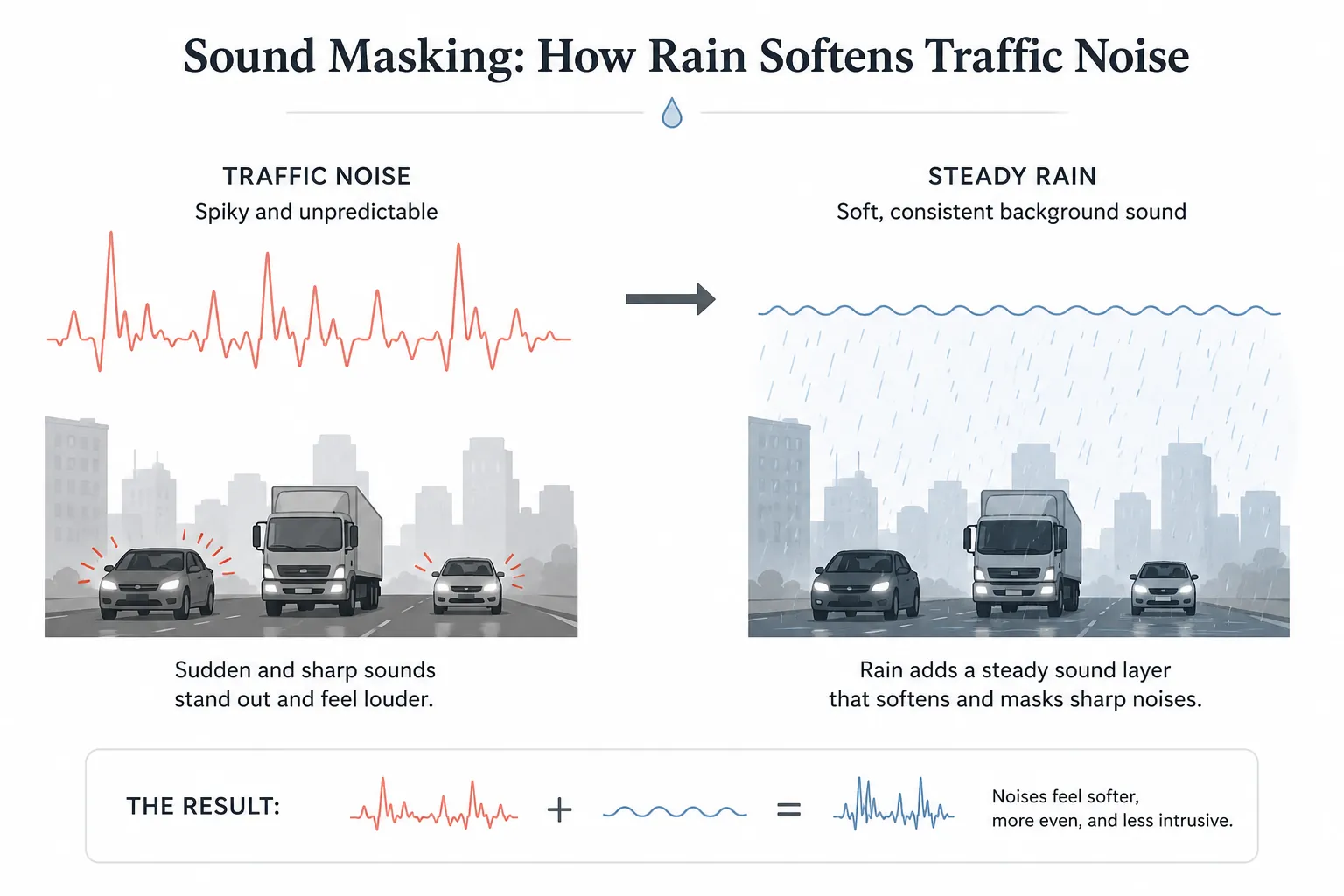
A steady sound can reduce the contrast between a quiet room and a sudden interruption. This process is often called sound masking. A closing door or passing car may feel less prominent when the acoustic background is already consistent.
Familiar sound can also become part of a bedtime routine. When the same rain texture or ocean rhythm returns each evening, it may act as a cue that the day is ending. For a busy mind, a neutral pattern can provide something gentle to notice without demanding the attention of a story or lyrics.
Relaxing lo-fi
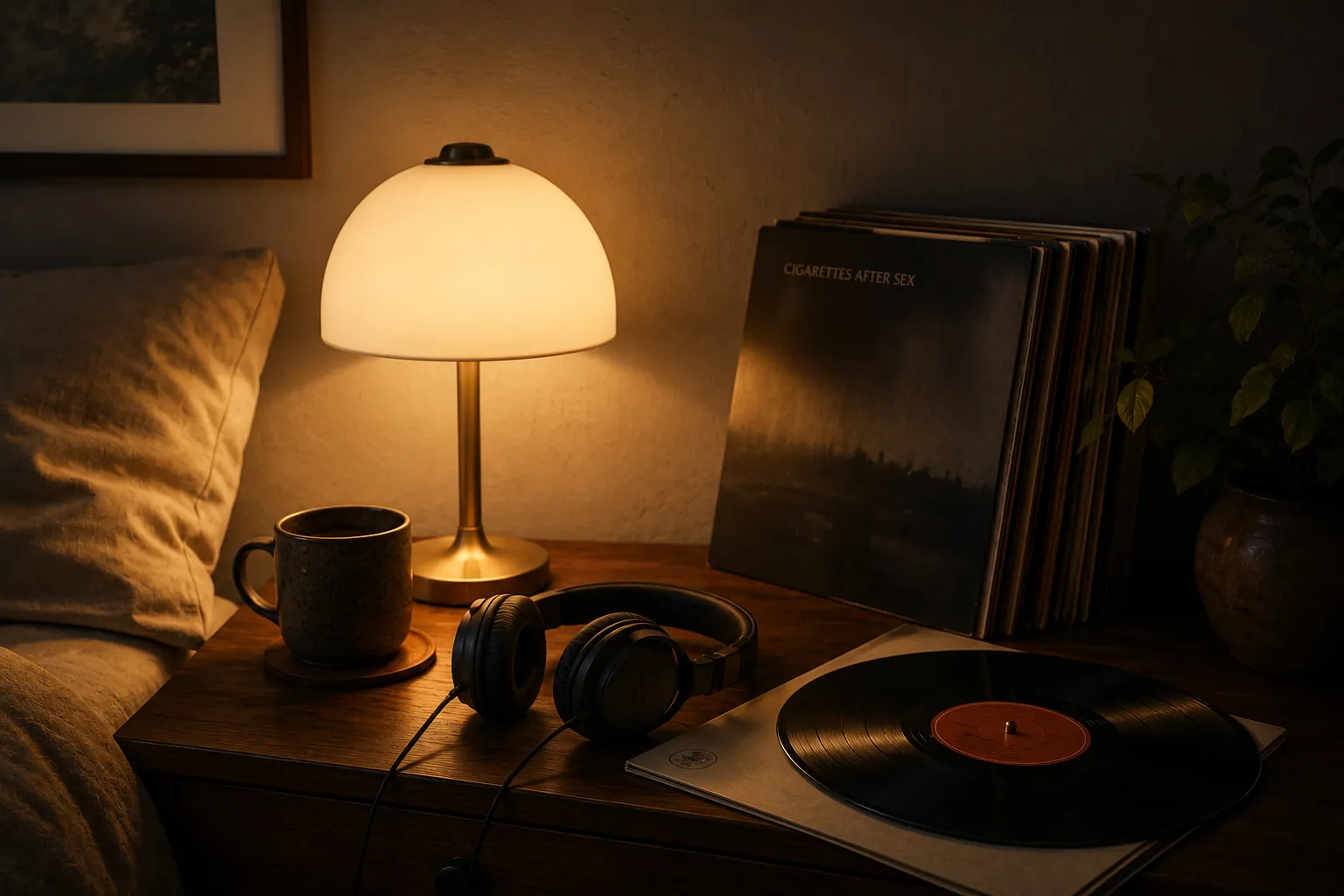
There is something about lo-fi music that feels like a long exhale. It asks very little of you: no lyrics to follow, no dramatic build, just warm, slightly imperfect melodies drifting in and out like a half-remembered dream.
Soft piano, a gentle crackle, and an unhurried rhythm sit between interesting and predictable. That balance can leave the mind just enough to hold onto while louder thoughts quietly leave the room.
A slow, relaxing beat
Not every beat belongs at bedtime. A useful relaxing beat is not the one that makes your foot tap; it is soft, repetitive, and steady enough to settle into the background.
The music does not demand attention. It simply fills the room with a gentle pulse and creates a reassuring sense that it is safe to let the day go.
Cozy rain sounds

Rain on a window is one of the oldest comforts there is. It carries a feeling of shelter, warmth, and permission to stay still. At night, its broad and consistent texture can also help cover less predictable background noises.
The steady drops, an occasional heavier shower, and the way rain makes the indoors feel warmer can turn a plain room into a personal sleep soundscape.
Crackling fire sounds
A crackling fire makes silence feel warm. The soft pop and hiss of wood, the irregular rhythm of the flames, and the suggestion of heat give fire a presence that a perfectly steady tone does not have.
For much of human history, fire represented warmth, company, and the end of the day. As a bedtime sound, it can feel alive without becoming demanding.
Deep ocean sounds

Deep ocean sounds can feel immersive rather than decorative. A low, rolling resonance has more weight than lighter ambience, and that depth is exactly what some listeners prefer when they want the room to feel less exposed.
The slow movement of waves also offers a sense of perspective. It continues without caring about tomorrow’s inbox or alarm, creating an invitation to let go for the evening.
Choose the sound that helps you unwind
Sometimes you only need softness: a little warmth, a little ambience, and the faintest texture blended into something you feel more than hear. Every person’s preferred sleep sound is different, so experiment at a comfortable volume rather than looking for one universal answer.
Start with one sound, adjust it until it feels unobtrusive, and add a second layer only if the room still feels too sharp or empty. Save the mix when it works so tomorrow can wait in the same familiar atmosphere.